
CULTIVATORS (TILLERS) AND ACCESSORIES
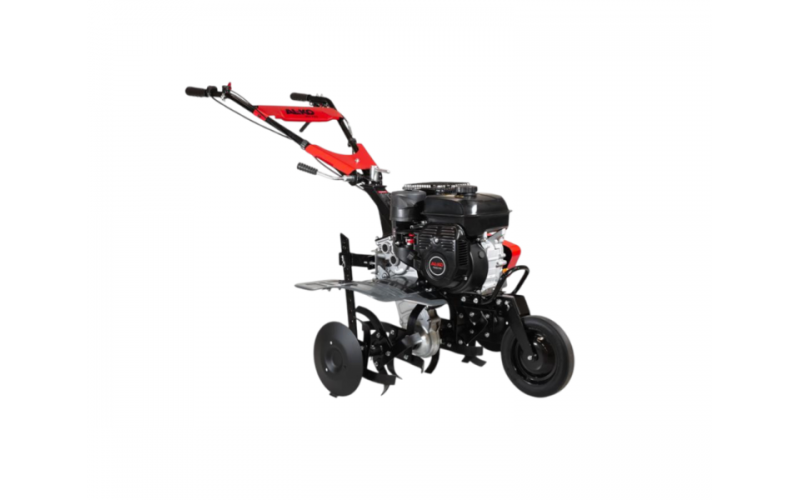
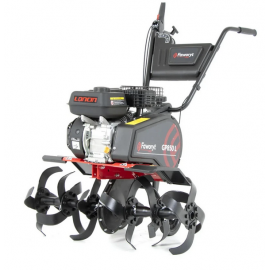
Cultivators and rotary tillers for gardens, orchards and rural properties
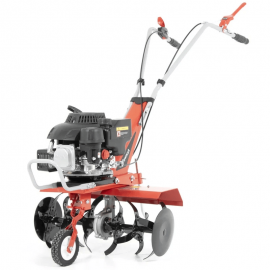
Cultivators, also known as rotary tillers, are used for loosening soil, preparing it for planting, forming beds, maintaining rows and carrying out other soil preparation tasks. In this category, you will find walk-behind petrol cultivators, rotary tillers, accessories and spare parts for vegetable gardens, greenhouses, orchards, rural properties and smaller farms.
It is important to distinguish these machines from tractor-mounted tillers and agricultural implements. The products in this category are self-contained garden machines with their own engine, working blades and handlebar controls. They are suitable for areas where a tractor would be impractical, such as narrower garden plots, greenhouses, beds, orchard rows and land around the house.
Why choose a petrol cultivator?
A petrol cultivator helps reduce the amount of manual labour needed when preparing soil for the season. Instead of spending a long time working with a spade, hoe or hand cultivator, a rotary tiller can loosen the soil faster, break up clods, mix in compost, peat or fertiliser and prepare the ground for sowing or planting.
This type of equipment is especially useful in spring, when gardens and beds are prepared for planting, and in autumn, when soil needs to be loosened after harvest or prepared for the next season. A cultivator is also useful in greenhouses, orchards, rural properties and areas where the soil is worked regularly but larger agricultural machinery would not be convenient.
Cultivator or tractor-mounted rotary tiller?
When choosing soil preparation equipment, it is important to consider the size of the area and the level of precision required. A tractor-mounted rotary tiller is suitable for larger fields, farms and more intensive soil cultivation. It requires a tractor, more turning space and a larger open working area.
A walk-behind cultivator is often a more practical choice for a vegetable garden, orchard, greenhouse or rural property. It is easier to manoeuvre, takes up less storage space and is better suited for working near plants, beds, fences and other objects. If you need to cultivate several ares of garden soil, prepare beds, loosen orchard rows or work in a limited space, a petrol cultivator is often more convenient than a tractor-mounted tiller.
AL-KO, Faworyt and other cultivators
Agrobond offers AL-KO cultivators, Faworyt cultivators, rotary tillers, accessories and spare parts. Different models may vary in working width, working depth, engine power, weight, transmission and accessory compatibility.
Cultivators with a wider working width are suitable for larger garden or rural property areas where the goal is to cultivate more soil faster. Models with a narrower or adjustable working width are more convenient in greenhouses, between rows and in more complex garden layouts. Some models may have several forward gears and reverse, making the machine easier to control in heavier soil or when turning around.
How to choose the right cultivator?
When choosing a cultivator or rotary tiller, it is important to look beyond price or brand. The best choice depends on the size of the area, soil type, frequency of use and the tasks you plan to do. One user may need a manoeuvrable cultivator for a greenhouse and garden beds, while another may need a more powerful model for a larger rural garden.
Working area
The first step is to estimate the size of the area you need to cultivate. For a smaller vegetable garden, greenhouse or row maintenance, a more manoeuvrable model is often enough. If the working area is larger, it is worth choosing a more productive cultivator with a wider working width.
It is also important to consider the condition of the soil. Previously cultivated, lighter garden soil requires less power, while harder, clay-heavy or long-neglected soil may require a stronger model and several passes.
Working width
Working width shows how wide a strip of soil the cultivator processes in one pass. A wider working width helps cover open areas faster. A narrower working width is more useful where precision is important: in greenhouses, between beds, near fences, in orchards or in narrow passages.
Adjustable working width is a major advantage because it allows the same rotary tiller to be used for different tasks. A narrower setting is suitable for more precise cultivation, while a wider setting provides higher productivity in open areas.
Working depth
Working depth determines how deeply the blades cultivate the soil. For surface loosening, mixing fertiliser or refreshing beds, a smaller depth is often sufficient. If the soil is being prepared for a new season or is more compacted, deeper cultivation may be needed.
It is not always best to start at maximum depth. Harder soil is better cultivated gradually, in several passes. This puts less strain on the engine, makes the machine easier to control and helps loosen the soil more evenly.
Engine power and weight
Engine power matters when the soil is heavier, harder or the area is larger. A more powerful petrol cultivator works more consistently in demanding conditions and handles denser soil more easily. However, higher power often also means more weight.
A lighter model is easier to transport, turn and use in narrower spaces. A heavier cultivator may be more stable in the soil and better suited to more intensive work. The right choice is not necessarily the largest model, but the one that matches the actual working conditions.
Gears and reverse
The number of gears affects working comfort. For simpler work, one forward gear may be enough. Models with several gears and reverse provide more control, especially when working in heavier soil, changing direction or turning in a limited space.
Cultivator accessories and spare parts
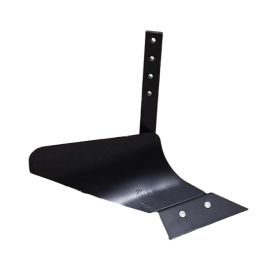
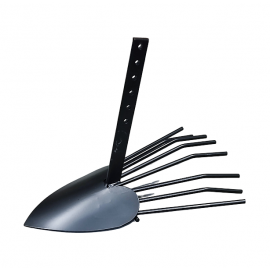
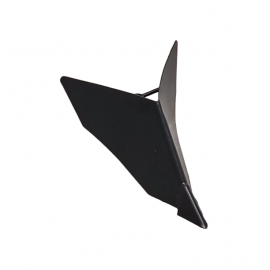
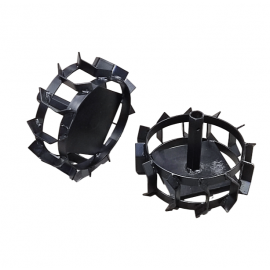
In this category, you can find not only cultivators, but also accessories and spare parts. These may include wheels, ridgers, ploughs and other components designed for compatible cultivator models. Before buying, it is important to check whether a specific accessory or spare part fits your machine.
Cultivator wheels can improve traction and help when working with additional implements. A ridger is used to form furrows, for example when planting potatoes or other crops. A cultivator plough can be used for additional soil work if the machine and attachment are designed for it. Suitable spare parts and accessories help extend the service life of the equipment and adapt it to different seasonal tasks.
Who is a cultivator best suited for?
A petrol cultivator is a good choice for those who want to prepare soil for planting faster and more comfortably, reduce manual labour and maintain a garden, orchard or rural property more efficiently.
A cultivator is a practical choice if:
- you want to prepare the garden faster for sowing or planting;
- manual work with a spade or hoe takes too much time;
- you need to loosen soil in a greenhouse, orchard or rural property;
- you want to mix compost, peat or fertiliser into the topsoil;
- you need manoeuvrable equipment for working between beds or plants;
- you are looking for an alternative to a tractor-mounted rotary tiller;
- you want to use accessories such as a ridger, plough or wheels.
Cultivators for spring and autumn work
Cultivators are most often used in spring, when soil is prepared for sowing and planting. Loosened soil absorbs moisture more easily, warms up faster and creates better conditions for plant roots. Spring cultivation also helps mix organic matter or fertiliser into the upper soil layer.
In autumn, a cultivator can be used after harvest to loosen the soil, incorporate plant residues or prepare the area for the next season. Used correctly, a rotary tiller helps maintain better soil structure and reduces the need for manual work.
How to use a cultivator safely and efficiently?
Before starting work, remove stones, branches, wires and other objects from the soil, as they can damage the blades. It is also important to assess soil moisture. Very wet soil can stick to the blades and break up poorly, while very dry and hard soil may be difficult to cultivate.
When working in a new area for the first time, it is better to start with a shallower depth and slower movement. If deeper cultivation is needed, the same area can be worked in several passes. When using a cultivator, wear suitable footwear, keep a safe distance from the rotating blades and follow the manufacturer’s instructions.
Cultivator maintenance
To keep a cultivator working longer, it should be maintained after each use. Soil residue should be removed from the blades and frame, any damage should be checked and the machine should be stored in a dry place. For petrol models, it is important to regularly check the oil level, air filter, fuel system and general engine condition.
The blades should be in good condition, as worn or damaged blades cultivate the soil less effectively and put more load on the engine. If accessories such as a ridger, plough or wheels are used, their mounting and compatibility with the specific cultivator model should be checked.
Cultivators in Raseiniai and throughout Lithuania
Agrobond offers cultivators, rotary tillers, accessories and spare parts to customers in Raseiniai and throughout Lithuania. In this category, you can find petrol cultivators from AL-KO, Faworyt and other manufacturers for gardens, orchards, greenhouses, rural properties and smaller farms.
If you are not sure which cultivator is best for your work, it is worth evaluating the working area, soil type, desired working width, depth and planned accessories. A properly selected cultivator will help prepare the soil faster, reduce physical effort and make seasonal garden, orchard or property work more efficient.
Frequently asked questions about cultivators
Are these cultivators attached to a tractor?
No. This category includes walk-behind petrol cultivators and rotary tillers. They are not tractor-mounted implements. This type of equipment is intended for vegetable gardens, orchards, greenhouses, rural properties and smaller soil preparation areas.
What is the difference between a cultivator and a rotary tiller?
In everyday use, these names are often used in a similar way. A cultivator or rotary tiller is used to loosen, break up and prepare soil for planting. The term rotary tiller usually places more emphasis on active soil breaking with rotating blades.
Which working width should I choose?
A narrower working width is suitable for greenhouses, row spacing and smaller gardens. A wider working width is useful for larger, more open areas because it allows the soil to be cultivated faster.
Can a cultivator be used to form furrows?
Yes, if a compatible ridger is available for the specific model. A ridger helps form furrows in the garden, but compatibility with the cultivator must be checked before buying.
Is a cultivator suitable for hard soil?
Harder or long-unworked soil requires a more powerful cultivator and suitable working depth. In many cases, it is better to cultivate the soil in several passes, starting with shallower loosening.
Cultivators and rotary tillers are practical machines for those who want to prepare soil for a vegetable garden, orchard or rural property faster and more easily. A properly selected petrol cultivator helps reduce manual labour, improve soil preparation and make seasonal soil work more efficient.